
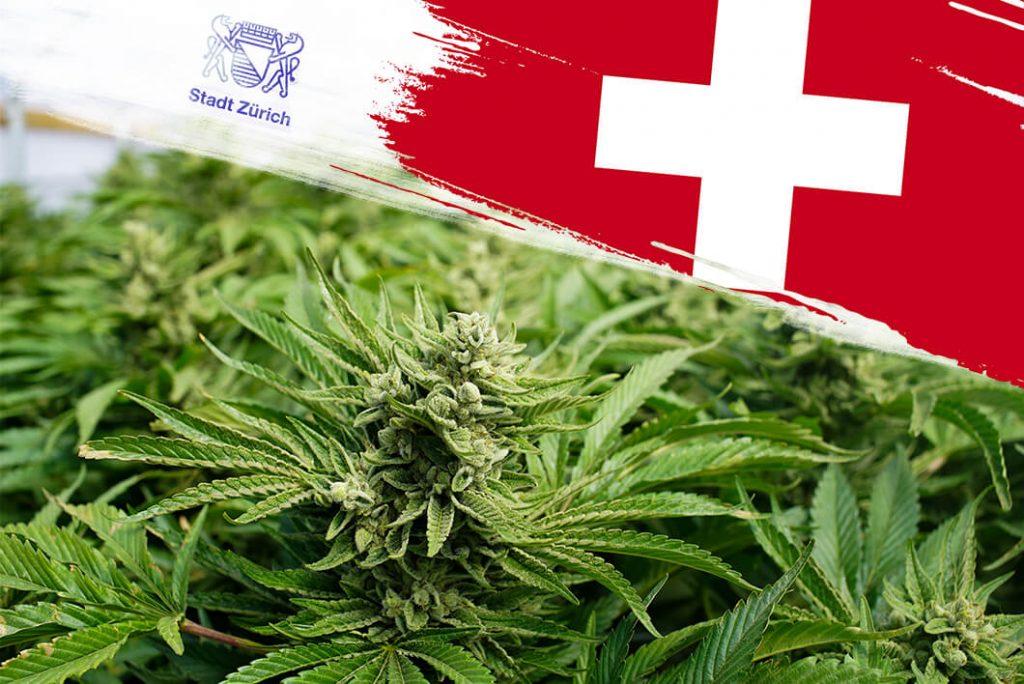
In the heart of Europe, Switzerland is renowned for its breathtaking landscapes, precision engineering, and a commitment to innovation that frequently enough extends into the realm of health and wellness. Among the many topics capturing attention in recent years is cannabidiol, commonly known as CBD—a compound derived from the hemp plant that has sparked enthusiasm for its potential therapeutic benefits.As interest grows, so does the inquiry into the legal landscape surrounding CBD in Switzerland.Is CBD legal in this picturesque nation? In this article, we will navigate the intricacies of Swiss law, exploring what residents and visitors need to know about the status and regulation of CBD. Join us on this informative journey to demystify a substance that has captured the imagination of many and to understand its place within the Swiss legal framework.
Table of Contents
- Understanding the Legal Landscape of CBD in Switzerland
- Navigating the Regulations: What You Need to Know
- Quality Control and Safety Standards for CBD Products
- Consumer Rights and Responsibilities in the Swiss CBD Market
- Future Trends: The Evolution of CBD Legislation in Switzerland
- Q&A
- Concluding Remarks
Understanding the Legal Landscape of CBD in Switzerland

Switzerland has emerged as a notable player in the evolving CBD market, thanks to its innovative agricultural practices and progressive legal frameworks. The legal status of CBD is markedly distinguished based on its THC content. In Switzerland, cannabidiol with a THC concentration of less than 1% is entirely legal for cultivation, production, and sale. As a result, consumers can find a variety of CBD products, including oils, cosmetics, and edibles, easily available across the country.This liberal stance reflects the swiss commitment to regulating the hemp industry while ensuring consumer safety.
To navigate the CBD regulations effectively, it is essential to consider several aspects: quality standards, labeling requirements, and health claims. CBD products must adhere to established quality control measures, ensuring that they are free from harmful substances and accurately labeled regarding their ingredients and THC levels. Furthermore, it is important to note that promoting health benefits related to CBD use is strictly regulated, so companies must tread carefully to avoid legal pitfalls. Below is a simplified overview of the regulatory framework:
| Aspect | Status |
|---|---|
| THC Content | Less than 1% - Legal |
| Product Types | Oils, Edibles, Cosmetics |
| Health Claims | Strictly Regulated |
| Quality Control | Mandatory Standards |
Navigating the Regulations: What You Need to Know

Understanding the legal landscape surrounding CBD in Switzerland is crucial for anyone looking to explore its benefits. In Switzerland, CBD derived from hemp with a THC concentration below 1% is considered legal, allowing for a wide range of products to flourish in the market. Here’s what you need to keep in mind:
- Source: CBD must be extracted from hemp strains that are legal under Swiss laws.
- THC Levels: Ensure that the product contains less than 1% THC to comply with regulations.
- Quality Assurance: Look for products that provide third-party lab testing to guarantee safety and potency.
Moreover, businesses venturing into the CBD market must navigate various regulations regarding labeling, advertising, and health claims. It’s essential to familiarize yourself with both federal and cantonal regulations, as there can be variations depending on the region. Below is a concise comparison of key regulatory aspects:
| Aspect | Regulation |
|---|---|
| Production | Permitted from approved hemp strains |
| Sales | Legal if THC content is below 1% |
| advertising | No medical claims allowed |
Quality Control and Safety Standards for CBD Products
Ensuring the quality and safety of CBD products is paramount, especially in a country known for its rigorous standards like Switzerland. Manufacturers must adhere to strict regulations that govern the cultivation, extraction, and distribution of CBD. This includes testing products for potency, purity, and contamination to ensure they are free from harmful substances. reputable companies often provide third-party lab results to verify that their products meet these established standards.
Key aspects of quality control include:
- Source Transparency: Clear facts about where and how hemp is grown.
- Extraction Method: Use of safe and efficient methods, such as CO2 extraction, to obtain CBD.
- Batch Testing: Routine testing of batches to ensure consistency in quality and compliance with regulations.
- Sustainability Practices: Adoption of eco-friendly practices during production to promote environmental obligation.
Consumer Rights and Responsibilities in the Swiss CBD Market
In the Swiss CBD market,consumers enjoy a variety of rights designed to ensure safe access to products.These rights include the ability to receive clear and accurate information about the CBD products they purchase.Consumers should expect labels that provide detailed information about potency, ingredients, and potential allergens. Additionally, they have the right to a fair return policy, allowing them to return products that do not meet their expectations or are defective. The regulatory framework ensures that products intended for sale comply with Swiss health standards, protecting consumers from sub-par offerings.
Alongside these rights, consumers also have certain responsibilities when engaging with the CBD market. it is important for consumers to conduct their own research, ensuring they are informed about the source and quality of products. They should verify that products contain less than 1% THC to comply with Swiss laws and understand that the use of CBD is not universally accepted in all contexts. Being aware of personal health conditions and potential interactions with other medications is also crucial. Here are some essential consumer responsibilities:
- Read labels carefully to understand product contents.
- Consult healthcare professionals if unsure about product use.
- Report any adverse effects or misleading information to relevant authorities.
Future Trends: The Evolution of CBD Legislation in Switzerland
As Switzerland continues to navigate the evolving landscape of CBD legislation, several key trends are emerging that will shape the future of this industry. Currently, the Swiss regulatory framework allows for the cultivation, processing, and sale of CBD products, provided that they contain less than 1% THC. This relatively permissive approach has attracted a burgeoning market, with consumers increasingly seeking out CBD for its potential health benefits. As awareness grows, legislators are likely to refine the legal structure surrounding CBD, paving the way for more standardized practices and higher-quality products.
In this landscape of change, several developments can be anticipated in the coming years:
- Increased Research: Ongoing studies may lead to a better understanding of CBD’s effects, further legitimizing its use.
- Regulatory Adjustments: The introduction of clearer labeling requirements and safety standards could enhance consumer confidence.
- Export Opportunities: As Swiss products are recognized for their quality,international markets may open up,boosting local producers.
To ensure that the industry continues to thrive, active collaboration between stakeholders—including producers, healthcare professionals, and regulatory bodies—will be essential. The potential for a more thorough legal framework could foster innovation and economic growth,positioning Switzerland as a leader in the global CBD market.
Q&A
Q&A: Is CBD Legal in Switzerland?
Q1: What is CBD, and why is it gaining popularity?
A1: CBD, or cannabidiol, is a compound derived from the cannabis plant, known for its therapeutic properties without the psychoactive effects associated with THC, another well-known cannabinoid. Its rising popularity stems from anecdotal reports of benefits such as relief from anxiety, improved sleep, and pain management, prompting many to explore its use in various forms like oils, creams, and edibles.
Q2: Is CBD legal in Switzerland?
A2: Yes, CBD is legal in Switzerland, provided it contains no more than 1% THC, which is considerably higher than in many other countries. This tolerance for THC makes Swiss legislation unique, allowing consumers access to a broad range of CBD products without the risks associated with high-THC cannabis.
Q3: What regulations govern the sale of CBD products in Switzerland?
A3: CBD products in Switzerland must adhere to strict regulations. They must be produced from cannabis strains with low THC content and labeled appropriately. Additionally, any health claims about CBD products must be backed by scientific evidence and approved by Swiss authorities. Sellers are required to follow these guidelines to ensure compliance, making the market relatively safe for consumers.
Q4: Can I purchase CBD products online in Switzerland?
A4: Absolutely! E-commerce has blossomed in the CBD sector, allowing consumers to purchase a variety of products from oils to cosmetics with just a few clicks. However, it’s important to choose reputable suppliers to ensure the quality and legality of the products being purchased.
Q5: Are there any age restrictions on purchasing CBD products in Switzerland?
A5: Yes, typically, you must be at least 18 years old to purchase CBD products in Switzerland. Retailers frequently enough have their policies and may require age verification to ensure compliance with this regulation.
Q6: Is it legal to travel with CBD within Switzerland?
A6: Traveling within switzerland with CBD products is legal, provided that they comply with the local regulations (i.e.,containing less than 1% THC). Though,it is indeed advisable to carry receipts or product information to clarify the legality of your items,especially if questioned by authorities.
Q7: Are there any specific rules for consuming CBD in public spaces in Switzerland?
A7: While consuming CBD in public places is generally permissible, it’s wise to be discreet. Different municipalities may have their own guidelines about smoking or consuming cannabis-related products, so it’s wise to stay informed about local regulations.
Q8: What’s the difference between CBD and THC in terms of legality in Switzerland?
A8: The key difference lies in the THC content. While CBD products with up to 1% THC are legal, having higher levels of THC falls under the category of controlled substances, which require special permits and are subject to strict regulations. this distinction is crucial for consumers to be aware of when navigating the legal framework surrounding cannabis in Switzerland.
Q9: Are there health risks associated with CBD, despite its legality?
A9: While CBD is generally regarded as safe, potential side effects may include fatigue, changes in appetite, and diarrhea. Additionally, it can interact with certain medications. Therefore, consulting with a healthcare professional before starting any CBD regimen is recommended, ensuring it complements individual health needs and circumstances.
Q10: What can we expect for CBD regulations in Switzerland in the future?
A10: As public interest in CBD continues to grow, further developments in regulations could be anticipated. Potential changes may include updated scientific research findings, more health claims approvals, and possibly adjustments in THC limits. Staying informed will be crucial for consumers and producers alike as the landscape of CBD evolves in Switzerland.
concluding Remarks
the legal landscape surrounding CBD in Switzerland reflects a careful balance between regulation and accessibility. While the nation has embraced the potential benefits of CBD,stringent guidelines ensure consumer safety and product quality. As the conversation around hemp and its derivatives continues to evolve, those interested in experiencing what CBD has to offer are encouraged to stay informed and purchase from reputable sources. With ongoing research and a growing market, the future of CBD in Switzerland looks promising—an intriguing development in the realm of natural wellness that mirrors the sophistication and innovation for which the country is renowned.


Recent Comments