
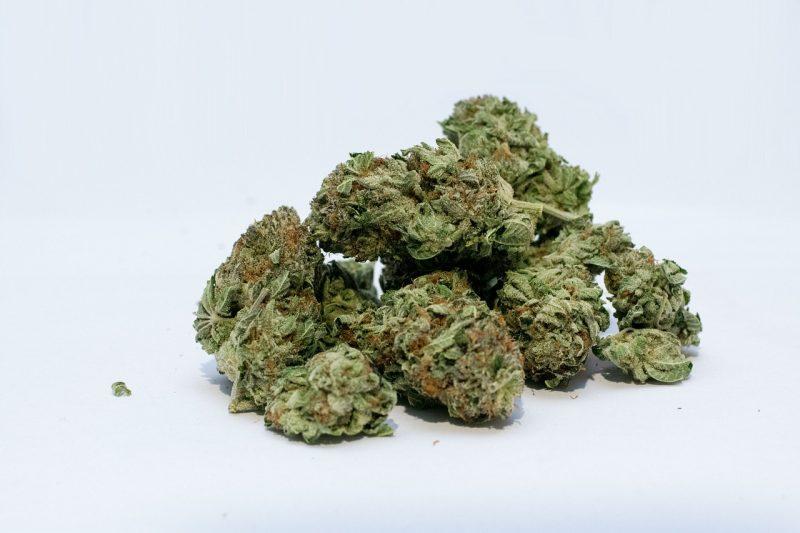
cbd legal in Europe
As the waves of change crash upon the shores of European legislation, one substance is surfacing with increasing prominence: CBD, or cannabidiol. Once a mere whisper in the world of wellness, CBD has transitioned from the shadows of stigma into the spotlight of legality and acceptance. Across the continent, countries are navigating a complex landscape of regulations and perceptions, each carving out its own approach to hemp-derived products. But what does it truly mean for CBD to be legal in Europe?
In this article, we untangle the intricate web of laws and policies surrounding CBD, exploring how they vary from one nation to another and the implications for consumers, businesses, and the burgeoning cannabis market as a whole. Join us as we journey through this evolving legal landscape, shedding light on the rules that govern this celebrated compound and what it may mean for the future of wellness in Europe.
Table of Contents
- Understanding the Legal Framework of CBD in Europe
- Key Differences in CBD Regulations Across European Countries
- The Impact of EU Regulations on CBD Products and Market Growth
- navigating compliance: Best Practices for CBD Businesses in Europe
- Future Trends in CBD Legislation and Market Opportunities in Europe
- Q&A
- In Conclusion

Understanding the Legal Framework of CBD in Europe
The legal landscape surrounding CBD in Europe is intricate and varies considerably across countries. While the European Union has established some baseline regulations, member states enjoy a degree of autonomy in defining their own legal stances regarding the cultivation, sale, and use of CBD products. In general, CBD derived from industrial hemp containing less than 0.2% THC is primarily permitted; however, this rule can differ among nations. Here are some key factors that influence the legality of CBD in Europe:
- Source of CBD: Persistent primarily by whether it’s extracted from hemp or cannabis.
- THC Content: Countries may have varying thresholds for acceptable THC levels in products.
- Novel Food Regulations: The EU has strict guidelines classifying CBD as a novel food, requiring pre-market authorization for edible products.
As the market continues to grow, ongoing discussions among lawmakers and health organizations aim to clarify regulations and enhance consumer protections. In some regions, CBD has been embraced for its potential therapeutic benefits, while in others, strict regulations persist due to concerns regarding safety and abuse. To better understand how these regulations play out, consider the following comparison of regulations by select countries:
| Country | CBD Legal Status | THC limit | Novel Food Status |
|---|---|---|---|
| Germany | Permitted for medicinal use and cosmetics | 0.2% | Requires authorization |
| France | Allowed for some uses; seeds and fiber only | 0.2% | Prohibited for edible products |
| Netherlands | Regulated; CBD can be sold | 0.05% | Requires authorization |
| Italy | Legal for sale with restrictions | 0.6% | Requires authorization |

Key Differences in CBD Regulations Across European Countries
The landscape of CBD regulations across Europe is notably diverse, reflecting each country’s unique approach to cannabis derivatives. While some nations have embraced a more liberal stance, allowing for the sale and use of CBD products, others maintain stringent regulations that can be quiet confusing for consumers and businesses alike. For instance, in countries like Netherlands and Germany, CBD is widely accepted, with products readily available in pharmacies and health shops. In contrast, nations such as France have faced legal challenges, particularly concerning the sale of CBD flowers, despite CBD oil being permissible within certain constraints.
To illustrate these differences,consider the following key regulatory aspects across various European countries:
| Country | CBD legality | THC Content Limit | Product Forms Allowed |
|---|---|---|---|
| United Kingdom | Legal | 0.2% | Oils, Edibles, Topicals |
| Italy | Legal | 0.6% | Oils, Flowers, Extracts |
| Sweeden | Legal | 0.2% | Oils,Capsules |
| France | Legal (oil only) | 0.2% | Oils |
| Spain | Legal (not for smoking) | 0.2% | Oils, Edibles, Topicals |
Moreover, it’s essential to stay informed about the evolving legal landscape, as regulations can change rapidly due to new policies or public health discussions. For businesses operating in the CBD space, understanding these key differences not only aids in compliance but also helps to navigate the complex market effectively. Ultimately, consumers should be aware of local laws to ensure they are purchasing and using CBD products legally and safely.
The Impact of EU Regulations on CBD products and Market Growth
The European Union has taken meaningful steps in regulating CBD products, creating a framework that is both beneficial and challenging for producers and consumers alike. With policies aimed at ensuring safety and quality, EU regulations often focus on labelling, ingredient clarity, and THC limits. These guidelines serve not only to protect consumers but also to promote market growth by instilling confidence across the industry. Producers are now required to provide clear and concise facts on their products, highlighting the legality and safety of their offerings. This push towards regulation facilitates the emergence of innovative products and brands, making it easier for consumers to navigate the expanding CBD market. cbd legal in Europe
Moreover, the impact of these regulations can be seen in the increasingly diverse range of products available in the market, from oils and tinctures to edibles and skincare items. The EU’s regulatory stance encourages compliance and standardization, leading to improved product quality and consumer trust. As businesses adapt to these rules, we see a notable shift in market dynamics, illustrated by the following table that highlights the categories of CBD products experiencing heightened growth:
| Product Category | Growth rate (Approx.) |
|---|---|
| Oils & Tinctures | 25% |
| Edibles | 30% |
| Skincare | 20% |
| Capsules | 15% |
With these developments in mind, the European market’s growth trajectory appears robust. The intertwining of regulation and innovation positions the EU as a significant player in the global CBD landscape, offering opportunities for companies ready to adapt. As consumers become more educated about CBD and its potential benefits, the alignment of regulation with market demand is likely to accelerate the introduction of new and varied products, ultimately benefiting both businesses and consumers alike. cbd legal in Europe from Green Reefer Online store
Navigating Compliance: Best Practices for CBD Businesses in Europe
For businesses venturing into the CBD market in Europe, ensuring compliance with varying national regulations is paramount. Each country has its own set of laws and guidelines governing the cultivation, production, and sale of CBD products. It is crucial to remain updated on these regulations as they may change frequently. Key compliance areas include:
- Product Safety and Quality Control: Adhering to stringent quality standards to ensure consumer safety.
- THC Content Regulation: Keeping the THC levels within legal limits as defined by specific countries.
- Labeling and Packaging: Providing accurate and transparent information on product labels to meet EU standards.
Furthermore, engaging with legal experts familiar with the CBD landscape in Europe will significantly enhance your business’s compliance strategy. Building strong relationships with regulatory bodies can provide essential insights and guidance. Below is a simplified table summarizing aspects of compliance across key European markets:
| Country | THC limit | Licensing Needed | Lab Testing Required |
|---|---|---|---|
| Germany | 0.2% | yes | Yes |
| France | 0.2% (aerial parts only) | No | yes |
| Spain | 0.2% | Yes (for cosmetics) | Optional |
| Italy | 0.6% | Yes | Yes |
Future Trends in CBD Legislation and Market Opportunities in Europe
The landscape of CBD legislation across Europe is evolving rapidly, paving the way for innovative market opportunities. As regulatory frameworks become more defined, countries are beginning to embrace the benefits of cannabis-derived products, which presents a unique chance for entrepreneurs and investors. Key factors influencing this evolution include:
- harmonization of Regulations: Efforts at the EU level to standardize rules may simplify cross-border commerce.
- Consumer Education: Growing awareness surrounding the health benefits of CBD is driving demand.
- Product Diversification: Companies are innovating with new formats like edibles, beverages, and cosmetics.
Furthermore, the rise of e-commerce platforms is enabling small to medium enterprises to reach wider audiences without significant barriers. As health and wellness trends gain traction, products infused with CBD are increasingly viewed as lifestyle choices rather than just supplements. The potential for niche markets becomes apparent when observing consumer behavior.Such as, trends indicate a rising interest in:
| Market Segment | growth Potential |
|---|---|
| Beauty and Skincare | High |
| food and Beverage | Moderate |
| Health Supplements | Very High |
Investors who are strategically positioned to capitalize on these trends will likely find rewarding opportunities in the next few years, provided they remain adaptable and informed on the changing regulatory landscape.
Q&A
Q&A: Understanding CBD Legalization in Europe
Q1: What is CBD, and how is it different from THC?
A1: CBD, or cannabidiol, is a compound derived from the cannabis plant. Unlike THC (tetrahydrocannabinol), which is responsible for the psychoactive effects associated with marijuana, CBD does not produce a “high.” Instead, it is often praised for its potential therapeutic benefits, including anxiety reduction and pain relief.
Q2: Is CBD legal in Europe?
A2: Yes, CBD is largely legal in Europe, but the laws can vary significantly from one country to another. In many EU member states, CBD derived from hemp with less than 0.2% THC is permissible. However, regulations are continually evolving, so it’s essential to stay informed about local laws.
Q3: What are the key regulations surrounding CBD in Europe?
A3: The key regulations include the EU Novel Food regulation and the European court of Justice ruling of 2020, which confirmed that CBD derived from hemp is not a narcotic. Additionally, products must comply with safety standards, and any health claims require scientific approval. Always check for THC content, as exceeding local limits can lead to legal issues.
Q4: Where is CBD most notably restricted in Europe?
A4: Countries like Hungary and Slovakia have stricter regulations, classifying any form of CBD as a controlled substance. In contrast, nations like the Netherlands and Switzerland have embraced a more lenient approach. Understanding these nuances is crucial for anyone looking to purchase or use CBD in these regions.
Q5: Can I travel with CBD products within Europe?
A5: Traveling with CBD can get tricky. While many countries allow it, specific regulations vary widely. It is advisable to carry proof of the product’s legality and THC content, and you should check the laws of your destination before traveling.
Q6: What types of CBD products are available in Europe?
A6: The European market offers a plethora of CBD products, ranging from oils and tinctures to edibles, topicals, and even cosmetics. The availability often depends on local regulations, but the trend is moving towards a more thorough selection as demand grows.
Q7: Is there an understanding of the health benefits of CBD in Europe?
A7: The perception of CBD’s health benefits is generally positive across Europe. Many consumers turn to CBD for various ailments, with studies suggesting potential uses in managing anxiety, chronic pain, and sleep disorders. However, consumers are advised to look for products that have been tested and certified for quality assurance.
Q8: What steps should consumers take before purchasing CBD in Europe?
A8: Consumers should thoroughly research the product and its source. Look for third-party lab test results to ensure quality and compliance with legal standards. Reading reviews and checking for certifications can provide additional peace of mind.
Q9: How is the future of CBD legalization looking in Europe?
A9: The future appears promising, with increasing acceptance of hemp-derived products. As European countries continue to adapt their regulations, we may see more standardized laws helping to govern production and sales, making access easier for consumers. However,vigilance on local regulations will remain important.
Q10: Where can I find trustworthy information about CBD legality in my country?
A10: Reliable sources include government websites, EU regulations, cannabis advocacy groups, and specialized legal firms that focus on cannabis law. Joining local forums or communities can also provide valuable insights into the ongoing developments surrounding CBD legislation.
to sum up
As we draw the curtain on the evolving narrative of CBD legality across Europe,it becomes clear that this is not just a legal issue but a reflection of societal change,scientific inquiry,and economic potential. With each passing year,countries are charting their own paths,balancing the benefits of CBD with the need for regulation. While some nations embrace it with open arms, others tread cautiously, highlighting the diverse perspectives within the continent.
For consumers, the implications are significant ranging from access to therapeutic products to broader discussions about health and wellness. As the landscape continues to transform, one thing remains certain: the conversation around CBD will persist, prompting ongoing dialog and exploration.
As we move forward, staying informed and engaged with these developments will be crucial. Whether you’re a seasoned enthusiast or a curious newcomer, understanding the complexities of CBD regulation in Europe is essential. The journey ahead promises to be both intriguing and impactful, inviting all of us to witness the unfolding story of this remarkable compound and its place in our lives.


Recent Comments