
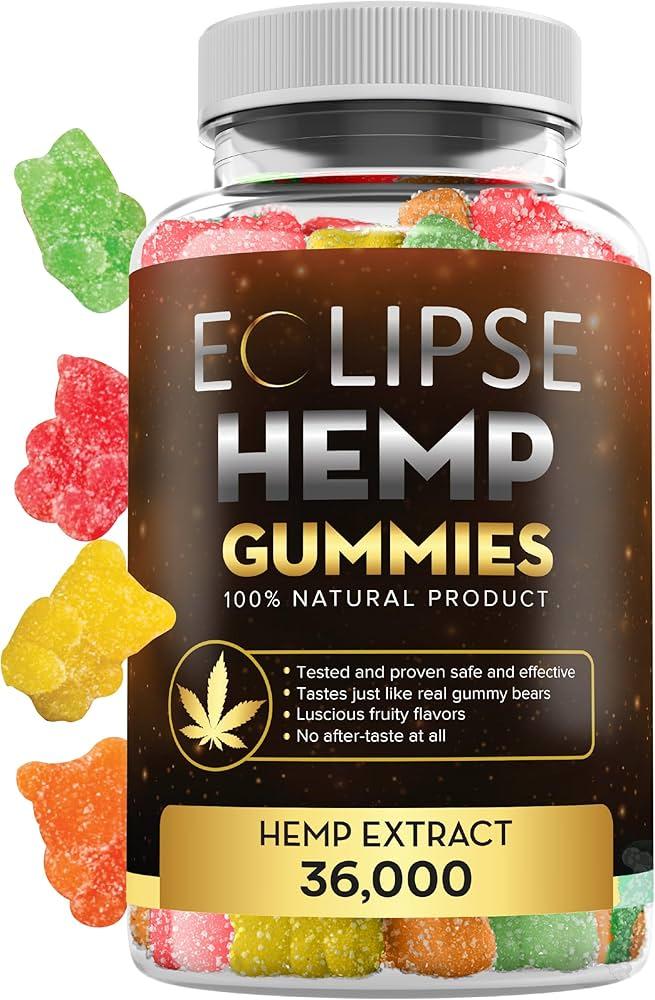
In recent years, the world has witnessed a remarkable surge in the popularity of cannabidiol, commonly known as CBD. Among the myriad of products that harness its potential benefits, CBD gummies have emerged as a sweet and convenient option for consumers seeking relief from various ailments.Though, as these chewy delights make their way into health stores and online marketplaces, a pressing question looms: are CBD gummies legal in Germany? This article aims to unravel the complexities surrounding the legality of CBD products in this European nation, exploring the rules, regulations, and the evolving landscape of cannabis legislation. Whether you’re a curious consumer,a health enthusiast,or simply someone with a sweet tooth,understanding the legal framework surrounding CBD gummies in Germany is essential in navigating this burgeoning market. Let’s dive into the facts and find out what you need to know.
Table of Contents
- Understanding CBD Legalization in Germany
- Navigating the Regulatory Landscape for CBD Gummies
- Quality and Safety Standards for CBD Products
- Consumer Insights: What to Look for in CBD Gummies
- Practical tips for Purchasing CBD Gummies Legally in Germany
- Q&A
- In Summary

Understanding CBD Legalization in Germany
The legal landscape surrounding CBD in Germany is nuanced,driven by both European Union regulations and national laws.CBD (cannabidiol) is derived from hemp, which has been legalized in Germany provided that it contains less than 0.2% THC, the psychoactive compound found in cannabis. This has led to a proliferation of CBD products, including oils, creams, and edibles like gummies. Though,it’s essential to ensure that these products comply with local regulations to be considered lawful. Key points to understand include:
- THC Content: Products must contain less than 0.2% THC to be legal.
- Novel Food Regulations: Edibles must meet specific safety and labeling standards in accordance with EU food laws.
- Quality Assurance: Look for products that have third-party lab testing to guarantee purity and potency.
While sales of CBD gummies are permitted, not all brands or products adhere to the stringent regulations set forth. Therefore, consumers should be diligent, ensuring that any CBD gummy they purchase is from a reputable source. Transparency in sourcing, manufacturing processes, and ingredient listings is imperative. furthermore,official guidance is continually updated by regulatory bodies,influencing legality and sales practices,which means consumers should stay informed. For clarity, here’s a brief overview of important CBD product classifications:
| Product Type | Legality | Notes |
|---|---|---|
| CBD Oils | Legal | Must contain less than 0.2% THC. |
| CBD Gummies | Legal | Must comply with Novel Food regulations. |
| Full-Spectrum CBD | conditional | Must stay within the THC limit. |
| Broad-Spectrum CBD | Legal | No THC present. |

Navigating the Regulatory Landscape for CBD Gummies
As the popularity of CBD products continues to surge, understanding the regulatory surroundings in germany is essential for both businesses and consumers alike. The legality of CBD gummies hinges on a number of key factors, including the THC content which must remain below 0.2%. This specific threshold is crucial, as exceeding it can lead to significant legal repercussions. Furthermore, the source of CBD is also a determining factor; only hemp-derived CBD is permitted, ensuring that manufacturers comply with EU regulations governing novel foods.
Additionally, businesses must navigate labeling requirements and safety regulations to sell their products legally in the market. This includes clear declarations of ingredients, precise dosage details, and disclaimers regarding health claims. To simplify the understanding of these complexities, here’s a quick reference table on the major legal considerations for CBD gummies in Germany:
| Legal Aspects | Requirements |
|---|---|
| THC Content | Must be below 0.2% |
| Source | Only hemp-derived CBD |
| Labeling | Clear ingredient list and dosage |
| Health claims | No unauthorized health benefits |

Quality and safety Standards for CBD Products
In Germany, the market for CBD products, including gummies, is subject to strict regulations and quality standards. To ensure consumer safety, manufacturers must adhere to guidelines set forth by both the European Union and local authorities. The key to high-quality CBD gummies lies in the sourcing and extraction of the hemp plants used, and also rigorous testing for contaminants. Certified laboratories routinely conduct tests to check for pesticides, heavy metals, and microbial impurities. Consumers should look for products that provide transparency through third-party lab results,which validate their claims and confirm cannabinoid content.
Additionally, reputable brands frequently enough implement quality control measures throughout the production process to maintain consistency and purity. Key factors that consumers should consider include:
- Ingredient Transparency: Clear labeling of all ingredients used, including any potential allergens.
- THC Content: Ensuring that the THC level is within the legal limit of 0.2% in Germany.
- Production Methods: Preference for CO2 extraction methods that yield high-quality extracts without harmful residues.
To further illustrate the importance of quality and safety standards, the following table summarizes common CBD gummy certifications and their significance:
| Certification | Significance |
|---|---|
| ISO Certification | Ensures compliance with international quality management standards. |
| GMP Certified | Guarantees that products are manufactured under strict quality standards. |
| Organic Certification | Indicates that the hemp used is grown without synthetic pesticides or fertilizers. |
Consumer Insights: What to Look for in CBD Gummies
When selecting CBD gummies, it’s essential to scrutinize various factors to ensure quality and compliance with regulatory standards. Look for products that provide clear information regarding their CBD source, including whether it’s derived from hemp or marijuana.Gummies made from full-spectrum or broad-spectrum CBD often contain additional beneficial compounds, which may enhance the overall effects. Third-party lab testing is crucial,so seek out brands that openly share their lab results,indicating the content of cannabinoids and the absence of harmful substances.
Understanding the legalities and formulation is equally important. Examine the THC content of the gummies—legal CBD products in Germany must not exceed 0.2% THC. Additionally, check for the presence of natural flavors and sweeteners, as well as any potential allergens. Brands that prioritize transparency often provide ingredient lists that detail all components used in their products, minimizing user apprehension.To help you decide, consider this comparison table outlining key features:
| Brand | CBD Source | THC Content | Lab Tested |
|---|---|---|---|
| Brand A | Hemp | 0.0% | Yes |
| Brand B | Hemp | 0.2% | Yes |
| Brand C | Marijuana | 1.0% | No |
Practical Tips for Purchasing CBD Gummies Legally in Germany
Purchasing CBD gummies in Germany can be a straightforward process if you are equipped with the right knowledge. First and foremost, ensure that the products you consider contain less than 0.2% THC, as this is the legal limit set by German law. Familiarize yourself with various reputable brands, and always check for third-party lab testing results to confirm the quality and safety of the gummies. Look for products that provide clear labeling, including ingredient lists and concentrations of CBD. this not only assures you of the product’s legality but also helps you make informed choices based on your desired effects.
Another key factor to consider is the source of the hemp used to produce the gummies. Opt for brands that use hemp sourced from EU-approved farms, as these adhere to strict cultivation regulations. Additionally, it can be beneficial to shop from established online retailers or local health food stores to avoid counterfeit products. Be mindful of the purchasing age, as you typically need to be 18 years or older to buy CBD products in Germany. By following these practical tips, you can legally enjoy the benefits of CBD gummies with peace of mind.
Q&A
Q&A: Are CBD Gummies Legal in Germany?
Q: What are CBD gummies, and how do they differ from other CBD products?
A: CBD gummies are chewable, candy-like products infused with cannabidiol (CBD), a compound derived from the hemp plant. Unlike oils or tinctures, gummies offer a more discreet and enjoyable way to consume CBD, and they come in various flavors and potencies. The primary difference is in their form and convenience; gummies are pre-dosed, making them easy to incorporate into daily routines.
Q: Is CBD legal in germany?
A: Yes, CBD is legal in Germany, provided it meets specific regulations. CBD products must be derived from hemp strains approved by the European Union and contain less than 0.2% THC (tetrahydrocannabinol),the psychoactive component of cannabis. This low THC threshold means that users can enjoy the benefits of CBD without the intoxicating effects typically associated with cannabis.Q: Are CBD gummies specifically legal in Germany?
A: Yes, CBD gummies are legal in Germany as long as they comply with the same regulations that govern CBD products in general. They must be sourced from EU-approved hemp and contain no more than 0.2% THC. Though, it’s essential for consumers to ensure that they purchase gummies from reputable suppliers who adhere to these legal standards.
Q: Are there any restrictions on selling CBD gummies in Germany?
A: While CBD gummies can be sold in Germany, they are subject to specific regulations. For instance, they cannot be marketed as medicinal products unless they have undergone the appropriate approval processes. Additionally, food safety norms apply, meaning products must be safe for consumption and appropriately labeled. Consumers should check for certifications and lab reports to ensure they are buying compliant products.
Q: Can I travel with CBD gummies in Germany?
A: Traveling within Germany with CBD gummies is generally allowed, provided that the product follows the legal guidelines (less than 0.2% THC). However, international travel can be trickier. If you plan to travel abroad with CBD gummies, be sure to research the laws of the destination country, as regulations can differ significantly and some places may still prohibit CBD altogether.Q: What should consumers look for to ensure CBD gummies are legal and safe?
A: Consumers should look for gummies that are sourced from EU-approved hemp and contain less than 0.2% THC. Additionally, reputable brands will frequently enough provide third-party lab testing results to verify the product’s safety and cannabinoid content. Labels should clearly indicate the batch number, ingredients, and the source of the CBD, giving consumers peace of mind about their purchases.
Q: Are there age restrictions for purchasing CBD gummies in Germany?
A: In Germany, there are no explicit age restrictions for purchasing CBD products, including gummies. Though, responsible retailers may require customers to be at least 18 years old. It’s always a good idea to check with specific stores or online shops regarding their policies.
Q: What are the potential health benefits of CBD gummies?
A: While research on CBD is ongoing, many users report benefits such as reduced anxiety, improved sleep, and relief from chronic pain. CBD gummies offer an easy and tasty way to possibly explore these effects, though it’s important to note that individual experiences can vary. always consult with a healthcare provider before starting any new supplement regimen.
Q: Will CBD gummies get me high?
A: No, CBD gummies will not get you high.As mentioned earlier,the legal limit for THC content in CBD products in Germany is 0.2%. This minimal amount is not enough to produce psychoactive effects, allowing consumers to enjoy the benefits of CBD without the “high” associated with products containing higher levels of THC.
Conclusion: Navigating the legal landscape of CBD products can be complex, but provided that CBD gummies meet German regulations, they are indeed legal and widely available. Always prioritize quality and compliance when making your purchase.
In summary
As we navigate the evolving landscape of cannabis legislation, the question of whether CBD gummies are legal in Germany finds itself at the intersection of health, industry, and society. While the current regulations offer a framework for the sale and possession of these infused treats, they also reflect broader discussions about health, wellness, and the duty that comes with product consumption. For those curious about incorporating CBD gummies into their routines, staying informed about the changing legal environment is crucial. As Germany continues to explore the benefits and regulations surrounding CBD, one thing remains clear: knowledge is key. Whether you’re a curious consumer or a potential entrepreneur, understanding the current laws will help you make informed choices in this budding market. as we look to the future, we invite you to join us on this journey, embracing the complexities of legality, health, and innovation in the world of CBD.


Recent Comments